AA

Blogs

Refresh Your Driving Skills with the 55 Alive Driving Course


Driving is a skill that benefits from regular practice and ongoing learning. As road rules, traffic patterns, and vehicle technology continue to evolve, staying informed can help you drive with greater confidence and safety. If you're preparing for your driver's licence renewal or simply looking to sharpen your driving skills, the 55 Alive Driving Course is an excellent choice.

Developed by the Canada Safety Council, the 55 Alive Driving Course is specifically designed for older adults who want to remain safe, confident, and independent drivers. The course provides valuable information on defensive driving techniques, current traffic laws, hazard awareness, and strategies for adapting to age-related changes that may affect driving.

Participants have the opportunity to review safe driving practices in a friendly, supportive environment while learning practical tips that can make everyday driving easier and more enjoyable. Whether you've been driving for decades or simply want a refresher before renewing your licence, this course offers useful knowledge that can benefit every driver.

The 55 Alive Driving Course is offered at various times throughout the year at the Prince Edward Community Care office. It's a convenient way to stay current with today's driving practices while gaining the confidence to continue driving safely.

If you're interested in attending an upcoming session or would like more information, contact Prince Edward Community Care at 613-476-7493. Staff will be happy to provide course dates, registration details, and answer any questions you may have.

Safe driving is a lifelong commitment. Investing a few hours in refreshing your skills today can help ensure many more years of confident and enjoyable driving tomorrow.

If you'd like, I can also make this blog more SEO-friendly or adapt it for a Facebook post, newsletter, or website landing page.

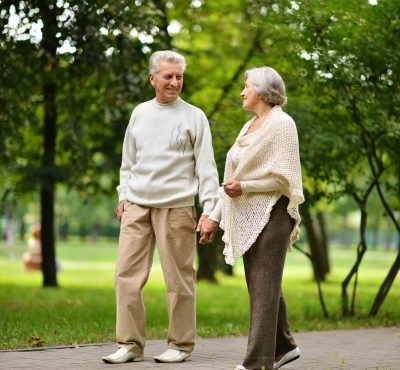
Walking Safely in Prince Edward County During Northern Ontario Wildfire Season


Prince Edward County is known for its peaceful trails, beautiful shoreline, and scenic country roads that encourage us to get outside and enjoy nature. But during wildfire season in Northern Ontario, even communities hundreds of kilometres away can experience smoky skies and poor air quality.

While the fires may seem distant, the smoke they produce can travel long distances, affecting the air we breathe. That doesn't necessarily mean you have to stay indoors every day—it means being informed and making smart decisions before heading out for your walk.

Start by Checking the Air Quality

Before lacing up your walking shoes, check the Air Quality Health Index (AQHI) or local air quality forecast. Smoke conditions can change quickly depending on wind direction and weather patterns. Environment Canada issues air quality statements when wildfire smoke is expected to affect southern Ontario, including Prince Edward County. Recent smoke events have prompted officials to recommend limiting outdoor activities when air quality deteriorates. (Quinte News)

As a general guide:

  • AQHI 1–3 (Low Risk): Enjoy your normal walk.
  • AQHI 4–6 (Moderate Risk): Most people can continue outdoor activities, but reduce intensity if you notice coughing, throat irritation, or shortness of breath.
  • AQHI 7–10 (High Risk): Consider shortening your walk or moving it indoors, especially if you have asthma, heart disease, or other respiratory conditions.
  • AQHI 10+ (Very High Risk): Avoid strenuous outdoor activity and consider postponing recreational walks until conditions improve. (Air Quality Ontario)

Choose the Best Time of Day

Wildfire smoke levels often fluctuate throughout the day. Morning conditions may be better one day, while afternoon winds may improve air quality the next. Rather than sticking to a routine, check the forecast shortly before heading out.

If visibility is noticeably reduced or you can smell smoke, consider delaying your walk.

Shorter Walks Can Still Be Beneficial

You don't need to skip exercise entirely unless air quality is very poor. A shorter 15–30 minute walk at a comfortable pace can still provide physical and mental health benefits while reducing smoke exposure.

Avoid vigorous hiking, hill training, or running when smoke levels are elevated because deeper breathing increases the amount of fine particles entering your lungs.

Pick Open, Flexible Routes

Prince Edward County offers many wonderful walking options, but on smoky days choose routes that allow you to easily shorten or turn back if conditions worsen.

Waterfront paths, neighbourhood walks, or loops close to home provide flexibility if smoke becomes more noticeable during your outing.

Listen to Your Body

Even healthy adults can experience symptoms from wildfire smoke, including:

  • Scratchy throat
  • Coughing
  • Burning eyes
  • Headaches
  • Shortness of breath
  • Unusual fatigue

If you notice these symptoms, head indoors and allow your body to recover. People with asthma, COPD, heart disease, older adults, young children, and pregnant individuals should be especially cautious during smoke events. (ontario.ca)

Have an Indoor Backup Plan

Some days simply aren't suitable for outdoor exercise. Instead of skipping movement altogether, consider:

  • Walking laps inside a shopping centre or recreation facility
  • Following an online walking workout
  • Using a treadmill
  • Practising gentle stretching or yoga at home
  • Strength training or balance exercises indoors

Maintaining consistency is more important than maintaining your usual location.

Stay Hydrated

Wildfire smoke and summer heat often occur together. Drink water before, during, and after your walk to help your body cope with both heat and smoky conditions.

Enjoy Nature Responsibly

One of the greatest joys of living in Prince Edward County is spending time outdoors. Wildfire smoke doesn't mean giving up your favourite walks—it means adapting when necessary.

By checking air quality, choosing the right time to walk, adjusting the length and intensity of your outing, and listening to your body, you can continue enjoying the County safely throughout wildfire season.

Nature will still be there when the air clears. Taking a cautious approach today helps ensure you'll be ready to enjoy many more walks in the seasons ahead.

The Benefits of Chair Yoga


The Benefits of Chair Yoga

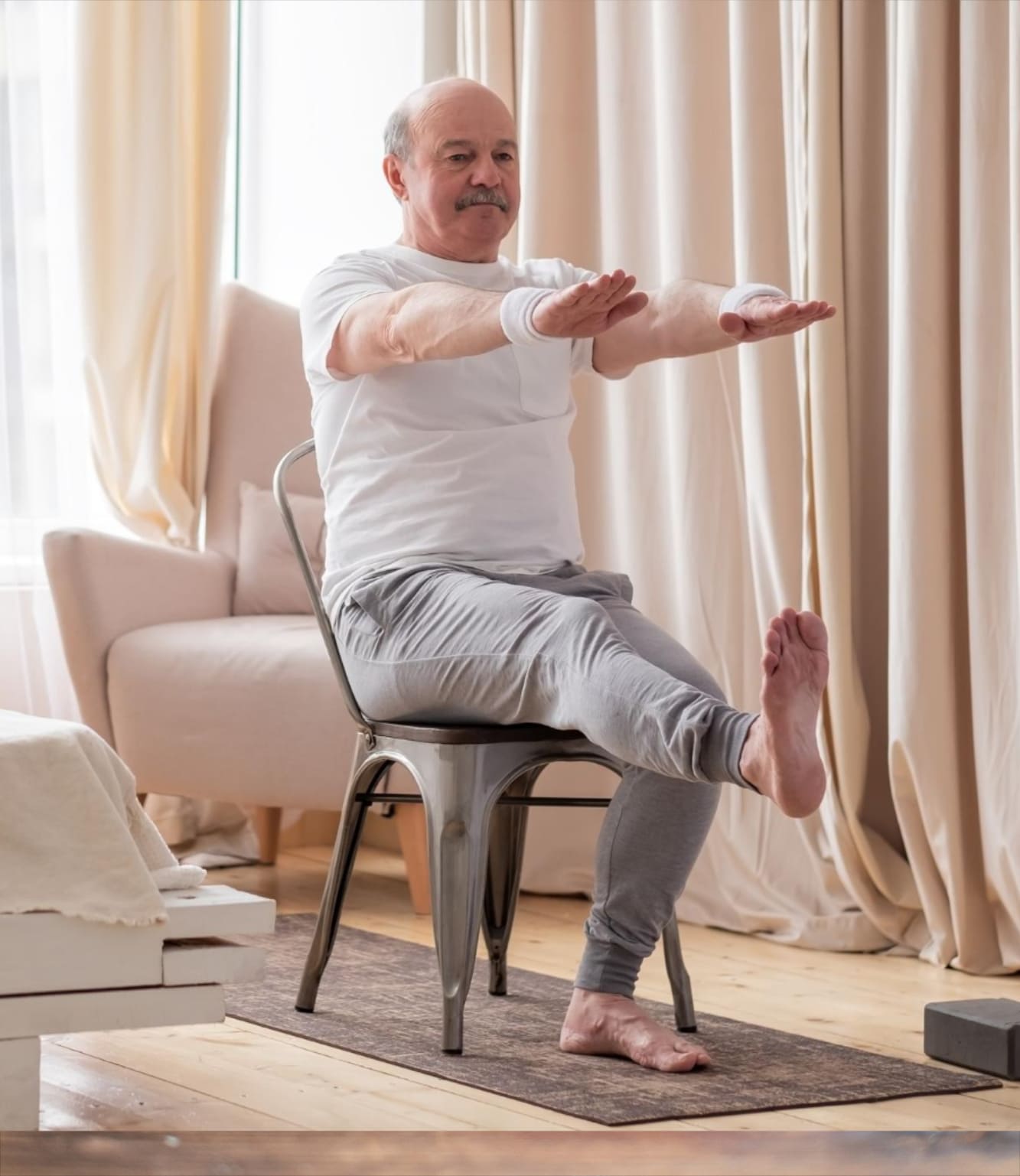
Chair yoga is a gentle form of yoga that makes movement, stretching, and relaxation accessible to people of all ages and fitness levels. Using a chair for support allows individuals to practice yoga safely and comfortably, especially those with limited mobility, balance concerns, chronic pain, or difficulty getting up and down from the floor.

Although chair yoga is low impact, its benefits can be surprisingly powerful for both physical and mental well-being.

What Is Chair Yoga?

Chair yoga adapts traditional yoga poses so they can be performed while seated or using a chair for balance and stability. Movements are typically slow, controlled, and coordinated with breathing techniques.

Chair yoga may include:

  • Gentle stretching
  • Breathing exercises
  • Seated strengthening movements
  • Balance exercises
  • Relaxation and mindfulness practices

It is commonly used in:

  • Senior fitness programs
  • Rehabilitation settings
  • Workplace wellness
  • Community centers
  • Physical therapy programs

Improves Flexibility and Mobility

One of the biggest benefits of chair yoga is improved flexibility. Gentle stretching helps loosen tight muscles and increase range of motion in the:

  • Neck
  • Shoulders
  • Back
  • Hips
  • Legs
  • Ankles

Improved mobility can make everyday activities easier, including walking, bending, reaching, and getting in and out of chairs or vehicles.

For older adults, maintaining mobility is essential for preserving independence and reducing the risk of falls.

Supports Joint Health

Chair yoga provides gentle movement that lubricates joints and encourages circulation without placing excessive strain on the body.

This can be especially helpful for people with:

  • Arthritis
  • Stiffness
  • Chronic pain
  • Osteoarthritis
  • Limited range of motion

Unlike high-impact exercise, chair yoga allows participants to move comfortably while minimizing stress on knees, hips, and other sensitive joints.

Strengthens Muscles Safely

Even though chair yoga is gentle, it can still help build muscle strength. Many seated poses engage important muscle groups, including:

  • Core muscles
  • Legs
  • Back
  • Arms
  • Glutes

Maintaining muscle strength is important for:

  • Stability
  • Balance
  • Posture
  • Daily function
  • Healthy aging

Strong muscles also help protect joints and improve overall mobility.

Enhances Balance and Fall Prevention

Falls are a major concern for older adults and people with mobility challenges. Chair yoga helps improve body awareness, coordination, and balance in a safe environment.

Using a chair for support allows individuals to practice balance exercises with greater confidence and reduced fear of falling.

Improved balance may contribute to:

  • Greater stability
  • Increased confidence while walking
  • Better posture
  • Reduced fall risk

Encourages Better Posture

Many people spend hours sitting, which can contribute to rounded shoulders, neck tension, and lower back pain. Chair yoga emphasizes spinal alignment, body awareness, and core engagement.

Regular practice may help:

  • Reduce slouching
  • Improve spinal support
  • Ease tension in the neck and shoulders
  • Relieve lower back discomfort

Better posture can also improve breathing and energy levels.

Reduces Stress and Anxiety

Like traditional yoga, chair yoga combines movement with controlled breathing and mindfulness. This helps activate the body’s relaxation response and calm the nervous system.

Benefits may include:

  • Reduced stress
  • Lower anxiety levels
  • Improved mood
  • Better emotional balance
  • Enhanced relaxation

Deep breathing exercises used in chair yoga can lower heart rate and help reduce physical tension in the body.

Supports Brain Health

Gentle exercise and mindful movement may also benefit cognitive function. Chair yoga encourages concentration, coordination, and mental focus while improving blood flow and oxygen delivery throughout the body.

Research suggests regular physical activity may help:

  • Improve memory
  • Support concentration
  • Enhance mental clarity
  • Reduce cognitive decline risk

The combination of movement, breathing, and mindfulness creates a valuable brain-body connection.

Improves Circulation and Breathing

Chair yoga promotes circulation through gentle movement and stretching. Better circulation helps deliver oxygen and nutrients throughout the body while supporting heart and vascular health.

Breathing exercises may also:

  • Expand lung capacity
  • Improve oxygen intake
  • Promote relaxation
  • Increase energy

For individuals who are sedentary or recovering from illness, even small amounts of movement can make a meaningful difference.

Accessible for Many Fitness Levels

One of chair yoga’s greatest strengths is accessibility. It can be adapted for:

  • Seniors
  • Beginners
  • Individuals recovering from injury
  • People with disabilities
  • Those with chronic illness
  • Office workers seeking movement breaks

Participants can progress at their own pace and modify movements according to their comfort level.

Exciting News at MLP Retirement

We are excited to announce that chair yoga is being added to the wellness calendar at MLP Retirement. This gentle and supportive program will provide residents with another opportunity to stay active, improve flexibility and balance, reduce stress, and enjoy meaningful social engagement.

Chair yoga is designed to be welcoming and adaptable for a wide range of mobility levels, making it an excellent addition to our community wellness programs. We look forward to helping residents experience the many physical, mental, and emotional benefits that regular movement and mindful exercise can provide.

A Gentle Path to Wellness

Chair yoga demonstrates that exercise does not need to be intense to be effective. Small, consistent movements can improve strength, flexibility, mood, and quality of life.

Even a short daily practice may help individuals feel:

  • More energized
  • More mobile
  • Less stressed
  • More confident in movement

Final Thoughts

Chair yoga offers a safe, accessible, and effective way to improve physical and mental health. Through gentle stretching, strengthening, breathing, and mindfulness, it supports mobility, balance, circulation, relaxation, and overall well-being.

Whether practiced by seniors, beginners, or individuals recovering from injury, chair yoga can help people stay active and connected to their bodies in a comfortable and supportive way. Its simplicity makes it an excellent lifelong wellness practice for maintaining health, independence, and quality of life.

How Cranberry Juice Can Help Support Bladder Health


How Cranberry Juice Can Help Support Bladder Health

Bladder health is an important part of overall wellness, yet many people only think about it when discomfort or urinary issues arise. One natural remedy that has been used for generations to support urinary tract health is cranberry juice. While cranberry products are not a cure for bladder conditions or infections, research suggests they may play a helpful role in maintaining a healthy urinary system and reducing the risk of recurring urinary tract infections (UTIs).

Understanding Bladder Health

The bladder is a muscular organ that stores urine before it leaves the body. A healthy bladder depends on:

  • Proper hydration
  • Balanced bacteria in the urinary tract
  • Healthy kidney function
  • Strong immune defenses

When harmful bacteria enter the urinary tract and multiply, infections can occur. Women are particularly susceptible to UTIs because of their shorter urethra, though men, older adults, and people with certain health conditions can also experience bladder issues.

Common symptoms of bladder irritation or urinary tract infections include:

  • Frequent urge to urinate
  • Burning during urination
  • Pelvic discomfort
  • Cloudy or strong-smelling urine
  • Pressure in the lower abdomen

Why Cranberries Are Special

Cranberries contain naturally occurring plant compounds called proanthocyanidins (PACs). These compounds are believed to help prevent certain bacteria — especially E. coli, the most common cause of UTIs — from attaching to the lining of the urinary tract.

Normally, bacteria can stick to bladder walls and multiply, leading to infection. Cranberry compounds may interfere with this process, making it harder for bacteria to remain in the urinary system long enough to cause problems.

This anti-adhesion effect is the main reason cranberry juice and supplements are often recommended as part of bladder health support.

Cranberry Juice and Urinary Tract Support

Research on cranberry juice has shown mixed but promising results. Some studies suggest regular cranberry consumption may:

  • Reduce the frequency of recurring UTIs
  • Support urinary tract cleanliness
  • Help flush the urinary system through increased fluid intake
  • Provide antioxidant benefits that reduce inflammation

Cranberry juice appears to be most beneficial for people who experience recurrent urinary tract infections rather than treating an active infection.

It is important to understand that cranberry juice is not an antibiotic and should not replace medical treatment when an infection is present.

The Importance of Hydration

Part of cranberry juice’s benefit may also come from hydration itself. Drinking fluids helps dilute urine and encourages more frequent urination, which can assist in flushing bacteria from the urinary tract.

Proper hydration supports:

  • Bladder function
  • Kidney health
  • Waste elimination
  • Reduced bacterial buildup

However, many commercial cranberry juice cocktails contain high amounts of added sugar, which may not be ideal for overall health or blood sugar control. Unsweetened cranberry juice or low-sugar cranberry products are generally better options.

Cranberry Supplements vs. Juice

Some people prefer cranberry capsules or extracts because they contain concentrated PACs without the added sugars and calories found in juice beverages.

Supplements may offer:

  • More consistent active compounds
  • Convenience
  • Lower sugar intake
  • Easier daily use

Still, whole cranberry juice can contribute hydration and additional antioxidants as part of a balanced diet.

Additional Ways to Support Bladder Health

Cranberry juice works best when combined with healthy lifestyle habits, including:

  • Drinking plenty of water
  • Avoiding prolonged urine retention
  • Practicing good hygiene
  • Managing blood sugar levels
  • Wearing breathable clothing
  • Limiting bladder irritants like excessive caffeine and alcohol

For people prone to recurring UTIs, regular medical guidance is also important.

When to See a Doctor

While cranberry juice may help support bladder health, it is not a substitute for professional care. Medical attention is important if symptoms include:

  • Fever
  • Back pain
  • Blood in urine
  • Severe pain
  • Persistent urinary symptoms

Untreated urinary tract infections can spread to the kidneys and become serious.

Final Thoughts

Cranberry juice has earned its reputation as a traditional bladder-support remedy for good reason. The natural compounds found in cranberries may help reduce bacterial attachment in the urinary tract, potentially lowering the risk of recurring infections and supporting overall bladder wellness.

Combined with proper hydration, healthy habits, and medical care when needed, cranberry products can be a useful part of a proactive bladder health routine. While not a cure-all, this tart red berry continues to hold an important place in natural urinary tract support.

The Importance of Smile Cookies: Small Treat, Big Impact


Every year, the Tim Hortons Smile Cookie campaign brings more than just a delicious treat—it brings communities together in a meaningful way. While the cookies themselves are simple and sweet, the impact they have is anything but small.

One of the most important aspects of the Smile Cookie campaign is its support for local charities. With every cookie purchased, 100% of the proceeds go directly to community organizations. These funds help support a wide range of causes, including hospitals, youth programs, food initiatives, and essential community services. It’s a simple way for people to give back and make a real difference close to home.

What makes this campaign even more special is its local focus. Each Tim Hortons location partners with charities in their own community. This means that when you buy a Smile Cookie, you are directly supporting your neighbours, friends, and local organizations. It creates a strong sense of connection and reminds us that even small acts can have a big impact.

The Smile Cookie campaign also encourages kindness and generosity. Whether you’re buying a cookie for yourself, sharing one with a friend, or purchasing a box for a group, you’re participating in something positive. It’s a wonderful reminder of how easy it can be to spread joy and brighten someone’s day.

Another beautiful part of this initiative is how it brings people together. Volunteers often lend a hand in decorating the cookies, while businesses and community groups come together to support the cause. It’s a true example of teamwork and community spirit in action.

Over the years, the Smile Cookie campaign has raised millions of dollars, making a lasting difference in countless lives. It shows that something as small as a cookie can help create stronger, more caring communities.

At the end of the day, Smile Cookies are about more than just a sweet treat—they’re about kindness, connection, and giving back. And that’s something worth celebrating.

Celebrating the Heart of Our Community: Volunteer Week (April 19–26)


Volunteer Week, taking place April 19–26, is a special time for us to pause and recognize the incredible individuals who give their time, energy, and compassion to enrich the lives of others. At MLP Residence, we are truly fortunate to have volunteers who bring kindness, laughter, and meaningful connection into our home each and every day. Volunteers are the heart of our community. Whether they are spending one-on-one time with residents, helping with activities, assisting during events, or simply offering a friendly smile and conversation, their presence makes a lasting impact. These small moments often become the most meaningful—brightening someone’s day and creating a sense of belonging. For our residents, volunteers are more than helpers—they are companions, listeners, and friends. They help bridge generations, share stories, and create memories that are treasured by all. Their generosity reminds us that even the simplest acts of kindness can have a powerful effect. During Volunteer Week, we want to extend our deepest gratitude to each and every volunteer who walks through our doors. Your dedication does not go unnoticed, and the difference you make in the lives of our residents is truly immeasurable. To those who already volunteer with us—thank you for being such an important part of our family. And to anyone considering volunteering, we welcome you with open arms. There is always room for more kindness, connection, and community. Together, we celebrate you this Volunteer Week and always.

Stepping Forward: The Importance of Foot Care


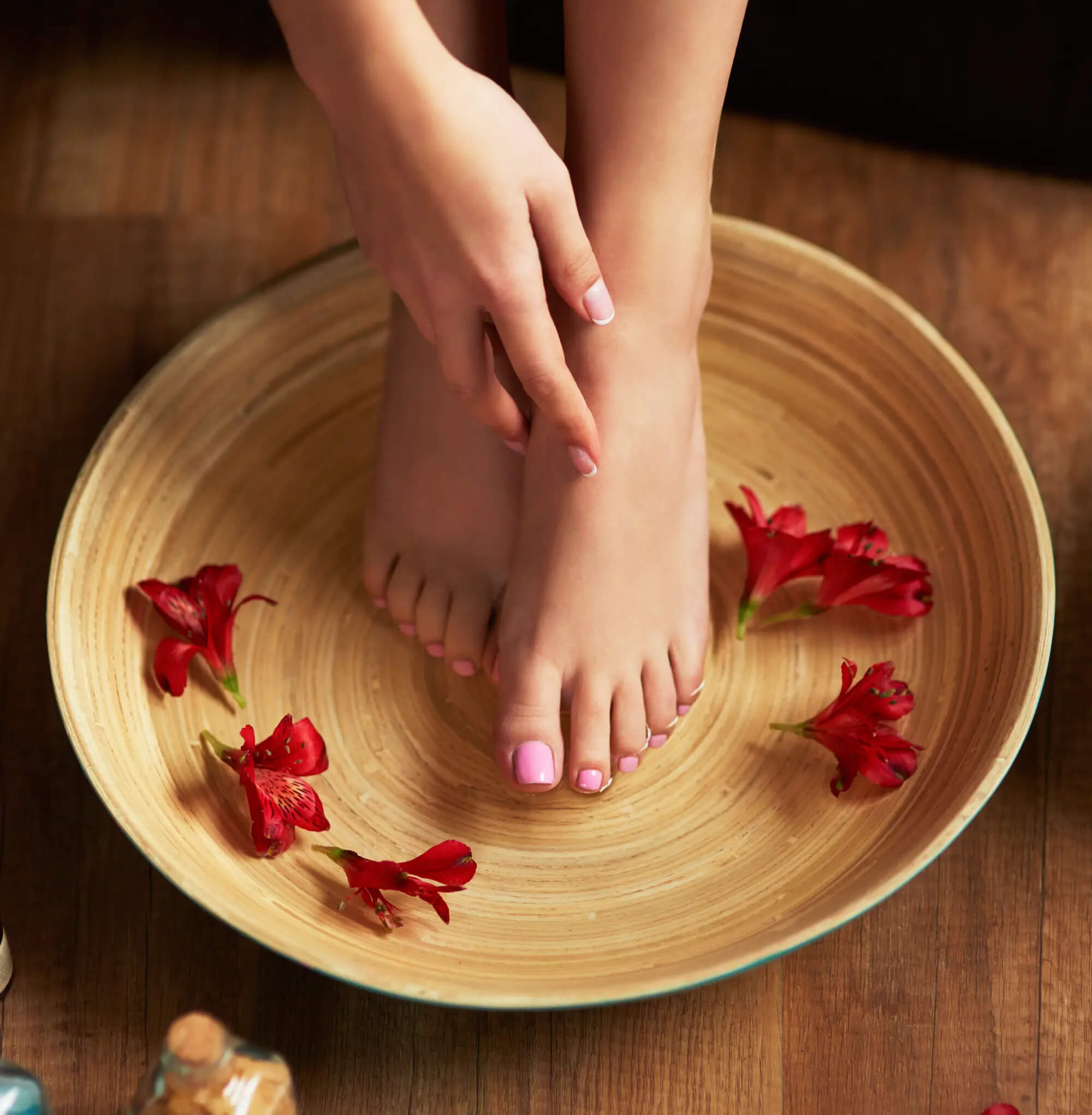
Our feet carry us through life—quite literally. Yet, they are often one of the most overlooked parts of our overall health. For residents, especially, proper foot care is not just about comfort, but about maintaining mobility, independence, and overall well-being.

As we age, our feet can become more sensitive and prone to issues such as dryness, calluses, or discomfort. Conditions like Diabetes and Arthritis can also make foot care even more essential, as small concerns can quickly become bigger problems if left unattended.

Taking time each day to care for our feet can make a big difference. Simple habits such as keeping feet clean and dry, moisturizing to prevent cracking, and wearing properly fitted, supportive footwear all help promote healthy feet. Regularly checking for any changes—like redness, swelling, or soreness—is also important, as early attention can prevent complications.

Foot care is also closely connected to staying active. When our feet feel good, we are more likely to participate in walks, social activities, and daily routines. This helps maintain balance, strength, and confidence—key elements in preventing falls and staying independent.

At MLP Residence, we are pleased to offer professional foot care services right on-site. A qualified foot care specialist visits every six weeks, providing residents with regular, reliable care in a comfortable and familiar setting. This service helps ensure that any concerns are addressed early while keeping our residents feeling their best.

Healthy feet help keep us moving, connected, and engaged in the activities we love. After all, when we take care of our feet, they take care of us.

Making Tax Season a Little Easier


For many residents, the arrival of spring also means the arrival of tax season. While it may not be the most exciting time of year, it can be a good opportunity to review finances, organize paperwork, and make sure you are receiving the benefits and credits available to you.

One helpful step is to gather all of your important documents early. Items such as pension slips, investment statements, and receipts for medical expenses can make a difference when completing your return. Many retirees are surprised to learn that certain medical costs, mobility aids, or home support services may be eligible for tax credits. Keeping these receipts throughout the year can make things much easier when tax time arrives.

It’s also a good idea to check if you qualify for senior-related benefits. Programs designed to support older adults can help with everyday expenses and ensure you receive the financial assistance you deserve. If tax forms feel confusing, don’t hesitate to ask for help from a trusted family member, accountant, or volunteer tax clinic in your community.

Beyond the paperwork, tax season can also be a good reminder to review financial plans and goals for the year ahead. Whether it’s budgeting for travel, planning family visits, or setting aside funds for hobbies and activities, having a clear picture of your finances can bring peace of mind.

At MLP Residence, we know that tasks like taxes can sometimes feel overwhelming, but they are also part of maintaining independence and security. A little organization and a bit of support can make tax season much more manageable.

And once the forms are filed and everything is sent off, you can sit back, relax, and enjoy the best part of spring — longer days, warmer sunshine, and the promise of new beginnings.

VALENTINE’S DAY: Finding Meaning, Comfort & Positivity


Valentine’s Day is often seen as a celebration of love, but for many residents it can also bring feelings of sadness or loneliness—especially for those remembering a spouse, partner, or loved one who is no longer with us. These feelings are completely natural, and it’s important to acknowledge them rather than push them aside. Love doesn’t disappear with loss; it simply changes shape.

While remembering loved ones can be hard, Valentine’s Day can also be an opportunity to focus on the many forms of love that still surround us. Love is found in friendships, family connections, shared laughter, kind words, and simple moments of togetherness. Here at MLP Residence, love is felt every day—in the smiles we share, the conversations over meals, the support between neighbours, and the care shown by staff who treat residents like family. Residents can also use this day to reflect on the love they have given throughout their lives. The relationships built, the families raised, the friendships nurtured, and the kindness shared are all lasting legacies. At MLP Residence, that love continues through the warmth residents show one another, the encouragement offered during activities, and the sense of belonging that makes our community feel like home.

Valentine’s Day is also a wonderful time to practice self-love. Treating oneself kindly—whether through enjoying a favourite treat, participating in a social activity, or simply taking time to rest —can be a meaningful way to honour your own well-being. The welcoming and supportive environment at MLP Residence encourages everyone to feel cared for, valued, and appreciated.

Finally, focusing on gratitude can help shift the heart toward positivity. Being thankful for today, for companionship, and for the love shared within our MLP community can bring comfort and peace. Valentine’s Day doesn’t have to be about what is missing; it can be about celebrating the love that surrounds us here and now. No matter how this day feels, know that you are not alone. At MLP Residence, you are cared for, supported, and surrounded by love—today and always.

Understanding Seasonal Affective Disorder: When the Seasons Affect Our Mood


As the seasons change and daylight becomes shorter, many people notice a shift in how they feel. For some, this change goes beyond the winter blues and becomes something more persistent. This condition is known as Seasonal Affective Disorder, often called SAD.

Seasonal Affective Disorder is a type of depression that follows a seasonal pattern, most commonly appearing in late fall or winter and improving in the spring and summer. The reduced sunlight during these months can affect the body’s internal clock, sleep patterns, and levels of chemicals in the brain that influence mood.

For seniors, SAD can be especially challenging. Less daylight, colder weather, and fewer opportunities to go outside or socialize may increase feelings of low mood, fatigue, or isolation. Some people experience changes in appetite, sleep more than usual, or lose interest in activities they once enjoyed.

It’s important to understand that SAD is a medical condition—not a weakness or something to simply “snap out of.” Recognizing the signs is the first step toward managing it. Symptoms may include ongoing sadness, low energy, difficulty concentrating, irritability, or withdrawing from others.

The good news is that help is available. Simple strategies can make a meaningful difference. Spending time near windows, keeping curtains open during the day, and maintaining a regular daily routine can help support both mood and sleep. Staying connected—through phone calls, visits, group activities, or shared meals—can ease feelings of isolation.

Many people also find comfort in gentle physical activity, such as stretching or short walks when weather allows. Talking to a healthcare provider is important, especially if symptoms feel overwhelming or interfere with daily life. Treatments may include light therapy, counselling, or medication, depending on individual needs.

trophy