AA

Blogs

The Importance of Smile Cookies: Small Treat, Big Impact


Every year, the Tim Hortons Smile Cookie campaign brings more than just a delicious treat—it brings communities together in a meaningful way. While the cookies themselves are simple and sweet, the impact they have is anything but small.

One of the most important aspects of the Smile Cookie campaign is its support for local charities. With every cookie purchased, 100% of the proceeds go directly to community organizations. These funds help support a wide range of causes, including hospitals, youth programs, food initiatives, and essential community services. It’s a simple way for people to give back and make a real difference close to home.

What makes this campaign even more special is its local focus. Each Tim Hortons location partners with charities in their own community. This means that when you buy a Smile Cookie, you are directly supporting your neighbours, friends, and local organizations. It creates a strong sense of connection and reminds us that even small acts can have a big impact.

The Smile Cookie campaign also encourages kindness and generosity. Whether you’re buying a cookie for yourself, sharing one with a friend, or purchasing a box for a group, you’re participating in something positive. It’s a wonderful reminder of how easy it can be to spread joy and brighten someone’s day.

Another beautiful part of this initiative is how it brings people together. Volunteers often lend a hand in decorating the cookies, while businesses and community groups come together to support the cause. It’s a true example of teamwork and community spirit in action.

Over the years, the Smile Cookie campaign has raised millions of dollars, making a lasting difference in countless lives. It shows that something as small as a cookie can help create stronger, more caring communities.

At the end of the day, Smile Cookies are about more than just a sweet treat—they’re about kindness, connection, and giving back. And that’s something worth celebrating.

Celebrating the Heart of Our Community: Volunteer Week (April 19–26)


Volunteer Week, taking place April 19–26, is a special time for us to pause and recognize the incredible individuals who give their time, energy, and compassion to enrich the lives of others. At MLP Residence, we are truly fortunate to have volunteers who bring kindness, laughter, and meaningful connection into our home each and every day. Volunteers are the heart of our community. Whether they are spending one-on-one time with residents, helping with activities, assisting during events, or simply offering a friendly smile and conversation, their presence makes a lasting impact. These small moments often become the most meaningful—brightening someone’s day and creating a sense of belonging. For our residents, volunteers are more than helpers—they are companions, listeners, and friends. They help bridge generations, share stories, and create memories that are treasured by all. Their generosity reminds us that even the simplest acts of kindness can have a powerful effect. During Volunteer Week, we want to extend our deepest gratitude to each and every volunteer who walks through our doors. Your dedication does not go unnoticed, and the difference you make in the lives of our residents is truly immeasurable. To those who already volunteer with us—thank you for being such an important part of our family. And to anyone considering volunteering, we welcome you with open arms. There is always room for more kindness, connection, and community. Together, we celebrate you this Volunteer Week and always.

Stepping Forward: The Importance of Foot Care


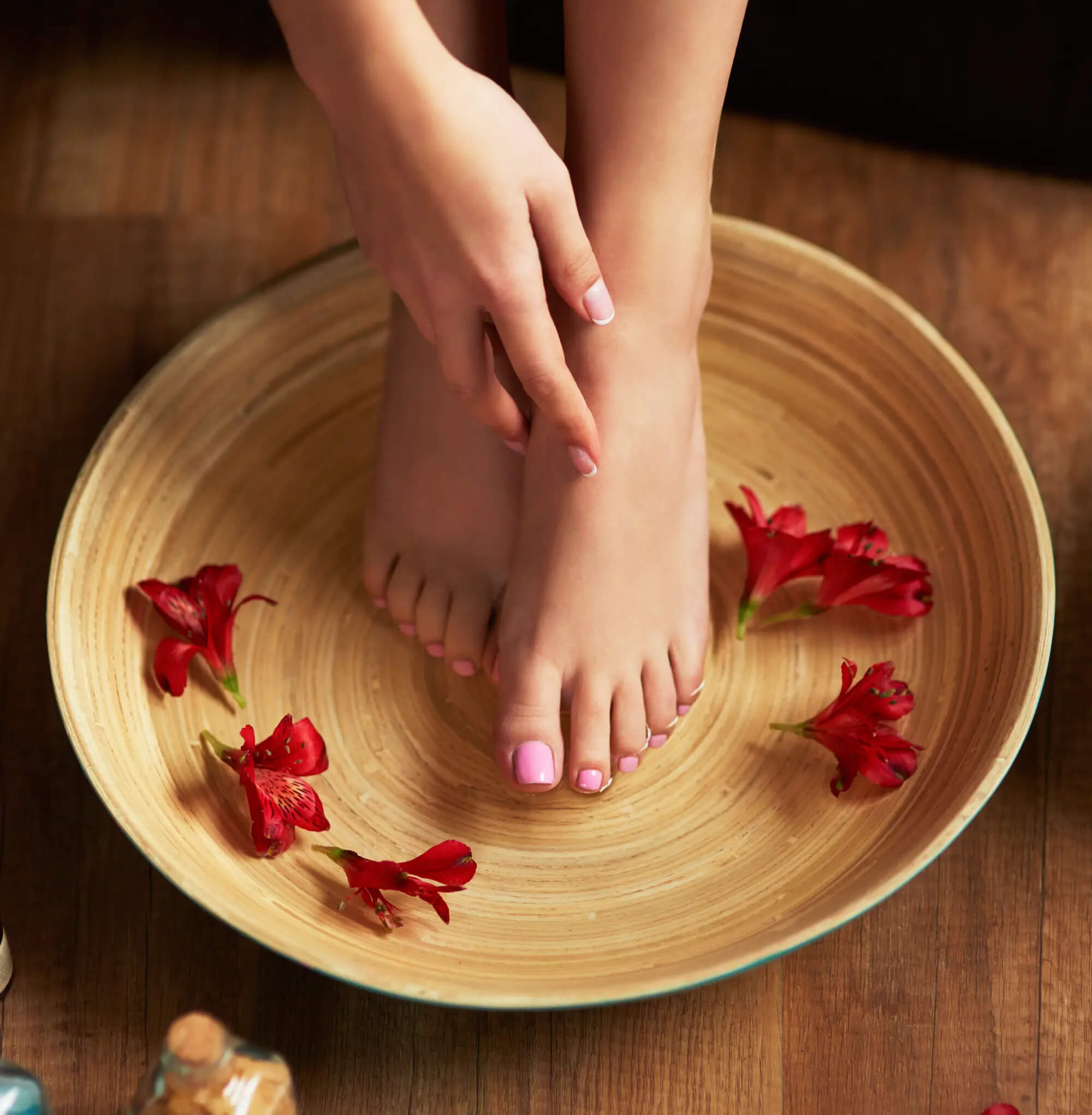
Our feet carry us through life—quite literally. Yet, they are often one of the most overlooked parts of our overall health. For residents, especially, proper foot care is not just about comfort, but about maintaining mobility, independence, and overall well-being.

As we age, our feet can become more sensitive and prone to issues such as dryness, calluses, or discomfort. Conditions like Diabetes and Arthritis can also make foot care even more essential, as small concerns can quickly become bigger problems if left unattended.

Taking time each day to care for our feet can make a big difference. Simple habits such as keeping feet clean and dry, moisturizing to prevent cracking, and wearing properly fitted, supportive footwear all help promote healthy feet. Regularly checking for any changes—like redness, swelling, or soreness—is also important, as early attention can prevent complications.

Foot care is also closely connected to staying active. When our feet feel good, we are more likely to participate in walks, social activities, and daily routines. This helps maintain balance, strength, and confidence—key elements in preventing falls and staying independent.

At MLP Residence, we are pleased to offer professional foot care services right on-site. A qualified foot care specialist visits every six weeks, providing residents with regular, reliable care in a comfortable and familiar setting. This service helps ensure that any concerns are addressed early while keeping our residents feeling their best.

Healthy feet help keep us moving, connected, and engaged in the activities we love. After all, when we take care of our feet, they take care of us.

Making Tax Season a Little Easier


For many residents, the arrival of spring also means the arrival of tax season. While it may not be the most exciting time of year, it can be a good opportunity to review finances, organize paperwork, and make sure you are receiving the benefits and credits available to you.

One helpful step is to gather all of your important documents early. Items such as pension slips, investment statements, and receipts for medical expenses can make a difference when completing your return. Many retirees are surprised to learn that certain medical costs, mobility aids, or home support services may be eligible for tax credits. Keeping these receipts throughout the year can make things much easier when tax time arrives.

It’s also a good idea to check if you qualify for senior-related benefits. Programs designed to support older adults can help with everyday expenses and ensure you receive the financial assistance you deserve. If tax forms feel confusing, don’t hesitate to ask for help from a trusted family member, accountant, or volunteer tax clinic in your community.

Beyond the paperwork, tax season can also be a good reminder to review financial plans and goals for the year ahead. Whether it’s budgeting for travel, planning family visits, or setting aside funds for hobbies and activities, having a clear picture of your finances can bring peace of mind.

At MLP Residence, we know that tasks like taxes can sometimes feel overwhelming, but they are also part of maintaining independence and security. A little organization and a bit of support can make tax season much more manageable.

And once the forms are filed and everything is sent off, you can sit back, relax, and enjoy the best part of spring — longer days, warmer sunshine, and the promise of new beginnings.

VALENTINE’S DAY: Finding Meaning, Comfort & Positivity


Valentine’s Day is often seen as a celebration of love, but for many residents it can also bring feelings of sadness or loneliness—especially for those remembering a spouse, partner, or loved one who is no longer with us. These feelings are completely natural, and it’s important to acknowledge them rather than push them aside. Love doesn’t disappear with loss; it simply changes shape.

While remembering loved ones can be hard, Valentine’s Day can also be an opportunity to focus on the many forms of love that still surround us. Love is found in friendships, family connections, shared laughter, kind words, and simple moments of togetherness. Here at MLP Residence, love is felt every day—in the smiles we share, the conversations over meals, the support between neighbours, and the care shown by staff who treat residents like family. Residents can also use this day to reflect on the love they have given throughout their lives. The relationships built, the families raised, the friendships nurtured, and the kindness shared are all lasting legacies. At MLP Residence, that love continues through the warmth residents show one another, the encouragement offered during activities, and the sense of belonging that makes our community feel like home.

Valentine’s Day is also a wonderful time to practice self-love. Treating oneself kindly—whether through enjoying a favourite treat, participating in a social activity, or simply taking time to rest —can be a meaningful way to honour your own well-being. The welcoming and supportive environment at MLP Residence encourages everyone to feel cared for, valued, and appreciated.

Finally, focusing on gratitude can help shift the heart toward positivity. Being thankful for today, for companionship, and for the love shared within our MLP community can bring comfort and peace. Valentine’s Day doesn’t have to be about what is missing; it can be about celebrating the love that surrounds us here and now. No matter how this day feels, know that you are not alone. At MLP Residence, you are cared for, supported, and surrounded by love—today and always.

Understanding Seasonal Affective Disorder: When the Seasons Affect Our Mood


As the seasons change and daylight becomes shorter, many people notice a shift in how they feel. For some, this change goes beyond the winter blues and becomes something more persistent. This condition is known as Seasonal Affective Disorder, often called SAD.

Seasonal Affective Disorder is a type of depression that follows a seasonal pattern, most commonly appearing in late fall or winter and improving in the spring and summer. The reduced sunlight during these months can affect the body’s internal clock, sleep patterns, and levels of chemicals in the brain that influence mood.

For seniors, SAD can be especially challenging. Less daylight, colder weather, and fewer opportunities to go outside or socialize may increase feelings of low mood, fatigue, or isolation. Some people experience changes in appetite, sleep more than usual, or lose interest in activities they once enjoyed.

It’s important to understand that SAD is a medical condition—not a weakness or something to simply “snap out of.” Recognizing the signs is the first step toward managing it. Symptoms may include ongoing sadness, low energy, difficulty concentrating, irritability, or withdrawing from others.

The good news is that help is available. Simple strategies can make a meaningful difference. Spending time near windows, keeping curtains open during the day, and maintaining a regular daily routine can help support both mood and sleep. Staying connected—through phone calls, visits, group activities, or shared meals—can ease feelings of isolation.

Many people also find comfort in gentle physical activity, such as stretching or short walks when weather allows. Talking to a healthcare provider is important, especially if symptoms feel overwhelming or interfere with daily life. Treatments may include light therapy, counselling, or medication, depending on individual needs.

Coping With the Loss of Loved Ones During the Christmas Holidays


The Christmas season is often described as a time of joy, togetherness, and celebration. But for many people, especially those grieving the loss of a loved one, the holidays can amplify feelings of sadness, loneliness, and longing. When someone we care about is no longer here to share in the traditions, the season can feel very different—sometimes even overwhelming.

If you or someone you know is navigating grief during the holidays, here are some gentle, meaningful ways to manage this emotional time.

Allow Yourself to Feel What You Feel

Grief doesn’t take a holiday. It’s normal to feel sadness, anger, or even guilt when memories surface. Give yourself permission to feel whatever arises without judgment. Trying to “be strong” or push emotions aside can make the season more difficult.

Set Realistic Expectations

You don’t have to celebrate the way you used to. If certain activities feel too heavy, it’s okay to simplify or skip them entirely. Prioritize what feels manageable and allow yourself to say no when you need to.

Create a New Tradition in Their Honour

Honouring your loved one can bring a sense of comfort and connection. Consider creating a simple ritual such as:

  • Lighting a candle in their memory
  • Hanging a special ornament on the tree
  • Setting out their favourite holiday treat
  • Sharing stories about them with family
  • Making a donation or performing an act of kindness in their name

These acts can help keep their spirit present in a meaningful way.

Lean on Your Support System

Grief can feel isolating, but you’re not alone. Reach out to trusted friends, family, or support groups. For many, speaking about the person they lost can be healing—don’t be afraid to share what you’re feeling.

Seek Professional Support if Needed

If grief becomes overwhelming or begins to interfere with daily life, a counsellor or support professional can help. Sometimes having a neutral, compassionate listener makes all the difference.

Practice Self-Care Without Guilt

The holidays often involve caring for others—but caring for yourself is equally important. Rest when you need to, eat well, take walks, enjoy quiet moments, or engage in activities that bring you peace. These small acts help replenish your emotional strength.

Remember That It’s Okay to Experience Joy

Some people feel guilty for laughing or enjoying the holiday season after a loss. But joy does not diminish your love or your grief—it simply means you are human. Allow room for small moments of lightness when they come.

Closing Thoughts

The holiday season can be bittersweet when a beloved family member or friend is no longer with us. Grief may ebb and flow, and that’s okay. Be gentle with yourself, stay connected to others, and find ways—big or small—to keep their memory close.

And most of all, remember: healing doesn’t mean forgetting. It means learning to carry your love forward while finding space for hope, comfort, and peace during the Christmas season.

Tips for Seniors: Safe Snow Shovelling


Warm Up First

Treat shovelling like exercise: stretch arms, legs, and back. Take 5 minutes to loosen muscles to prevent strains.

Choose the Right Shovel

Use a lightweight, ergonomic shovel with a curved handle. Opt for a smaller blade — it reduces how much snow you lift each time.

Dress for Warmth & Safety

Wear layers, waterproof boots with good traction, gloves, and a hat. Use ice grippers on boots if the walkway is slippery.

Use Proper Technique

Push snow rather than lifting it whenever possible. If lifting:

  • Keep feet hip-width apart.
  • Bend at the knees, not the waist.
  • Keep the shovel close to your body.
  • Lift using your legs, not your back.
  • Avoid twisting your torso — turn your whole body to dump snow.
  • Take small amounts at a time.
Pace Yourself
  • Take breaks every 10–15 minutes.
  • Listen to your body — stop immediately if you feel chest pain, dizziness, or shortness of breath.
Stay Hydrated

Even in cold weather, you lose fluids while working.

Prepare the Area First

Spread sand or salt to reduce ice. Clear small amounts of snow multiple times if a storm is ongoing.

Consider Alternatives
  • Use a snow blower (if safe to do so).
  • Hire community help or ask a neighbour.
  • Many towns offer snow-clearing services for seniors.

Seniors Embrace the Fun of Dressing Up for Halloween


Halloween isn’t just for kids — it’s a holiday that brings out the inner child in all of us, no matter our age! For many seniors, dressing up for Halloween offers a wonderful chance to express creativity, share laughs, and take part in the festive spirit of the season.

At this time of year, costumes and decorations fill the air with excitement and nostalgia. Seniors often enjoy reminiscing about the Halloween celebrations of years past — carving pumpkins, handing out candy, and seeing the joy on children’s faces. But just as much fun can be found in joining the festivities themselves!

Whether it’s a classic witch hat, a funny group costume, or a nod to a favorite era or movie character, dressing up allows seniors to show off their personalities in a playful way. Costume contests, themed parties, and even small community parades are wonderful opportunities to laugh, socialize, and feel part of something spirited and lively.

In retirement and assisted living communities, Halloween celebrations bring residents, families, and staff together. Laughter fills the halls, and conversations spark easily when someone walks by in a clever costume or with a spooky accessory. It’s a joyful reminder that playfulness and imagination never grow old.

Most importantly, these moments of fun encourage connection — and connection is at the heart of well-being. Dressing up gives everyone a reason to smile, to be seen, and to share in the magic of the moment.

So this Halloween, let’s celebrate the seniors who prove that it’s never too late to join in the fun, put on a costume, and enjoy the treat of laughter and community. After all, the best costumes are the ones worn with a smile! 👻

How Music Can Soothe Your Soul at Any Age


After enjoying our latest live entertainment with Vicki Spurrell, it was wonderful to witness firsthand how music can soothe the soul. Her performance reminded us that music is more than just sound—it’s an experience that uplifts, heals, and connects us.

The Magic of Music in the Moment

As Vicki sang, you could feel the room change. Smiles appeared, feet tapped, and voices quietly joined in. Music has that special ability to reach into our hearts, whether through a familiar tune from years past or the gentle power of a beautiful melody.

Memories Through Song

A favorite song often carries with it a lifetime of memories. For many, Vicki’s music stirred moments of joy and reflection—reminding us of dances, family gatherings, and cherished times with friends. Music can bring back those precious memories in a way nothing else can.

Music as Comfort and Joy

Beyond memory, music offers comfort. It can ease stress, calm the mind, and create a sense of togetherness. At the same time, it sparks joy—encouraging us to sing, laugh, and celebrate the present moment.

A Gift at Any Age

One of the most beautiful things about music is that it belongs to everyone, no matter the stage of life. As we saw during Vicki Spurrel’s performance, it unites us across generations and reminds us of the simple yet powerful ways our souls can be lifted.

So next time you hear a favorite tune, let yourself lean into the moment—sing along, tap your toes, or simply close your eyes and listen. Like Vicki’s performance reminded us, music is a gift for the soul at any age.

trophy