AA

As the days get shorter and temperatures drop, cold and flu season is just around the corner. While getting sick can happen to anyone, older adults can be more vulnerable to complications from respiratory illnesses.
The good news is that there are several simple steps you can take to help protect yourself and stay healthy throughout the fall and winter.
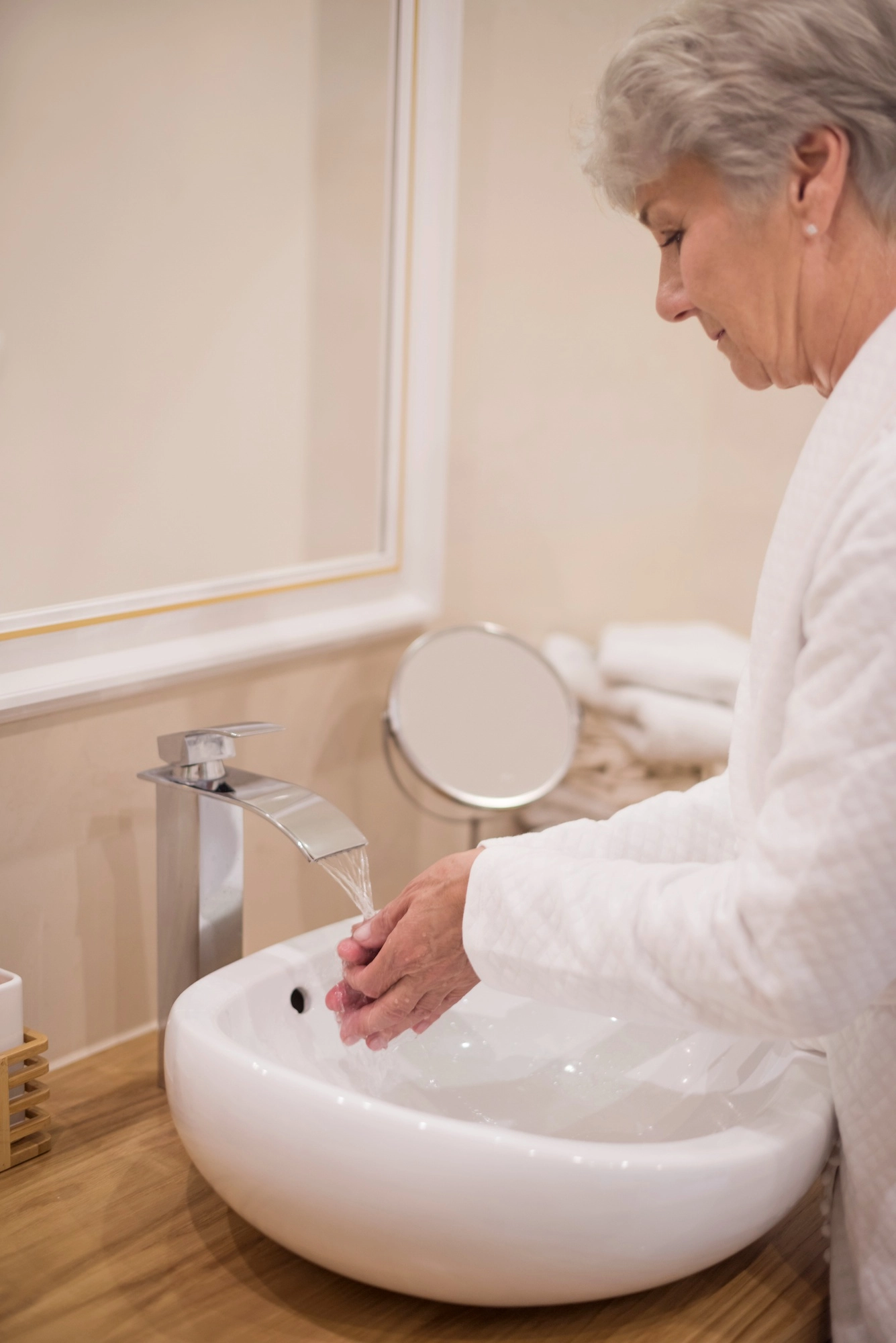
Our hands come into contact with countless surfaces throughout the day. Washing them regularly can help prevent germs from reaching your eyes, nose, and mouth.
Wash your hands with soap and warm water for at least 20 seconds, especially:
Taking good care of your overall health can help your body stay resilient throughout the colder months.
Try to:
If a friend or family member has a cold, flu, or another respiratory infection, consider postponing a visit or choosing an outdoor or well-ventilated setting when possible.
And remember: protecting yourself doesn’t mean you have to stop being social. Staying connected with friends and family is important for your emotional well-being, too. A phone call or video chat can be a good alternative when someone isn’t feeling well.
Respiratory viruses can spread more easily in crowded, poorly ventilated indoor spaces.
When weather permits, open a window for some fresh air. You can also improve ventilation by using exhaust fans or spending time outdoors when appropriate.
A little preparation can make being sick much less stressful.
Before cold and flu season gets underway, make sure you have things such as tissues, soap or hand sanitizer, easy-to-prepare foods, and any regularly prescribed medications you may need.
It’s also helpful to know who you should call if you become ill whether that’s your family doctor, nurse practitioner, pharmacist, or another healthcare provider.
If you start feeling unwell, don’t simply try to “push through it.”
Get plenty of rest and fluids, and consider contacting your healthcare provider. Some illnesses can be treated more effectively when treatment begins early, particularly for people who are at higher risk of complications.
Cold and flu season doesn’t have to mean staying home and avoiding everyone. With a few sensible habits — washing your hands, eating well, getting enough rest, staying active, and being thoughtful around people who are sick — you can reduce your chances of getting ill while continuing to enjoy the people and activities you love.
A little preparation now can go a long way toward making the winter months healthier, happier, and more enjoyable.