AA


Water is essential for every cell, tissue, and organ in your body. Even mild dehydration can affect how your brain, heart, muscles, and balance system work together. When your body doesn’t have enough fluids, you may notice symptoms such as dizziness, lightheadedness, difficulty concentrating, and feeling unsteady on your feet.
Maintaining your balance requires your brain, eyes, muscles, joints, and inner ear to work
together. Dehydration reduces blood volume, which can decrease blood flow to the brain and
affect normal communication between these systems.
As a result, you may experience:
These symptoms may become more noticeable during hot weather, after exercise, or when
standing up quickly.
One of the most common effects of dehydration is a decrease in blood volume. With less
circulating fluid, your heart has less blood to pump, which can cause your blood pressure
to drop.
Low blood pressure (hypotension) may lead to:
People with existing low blood pressure or those taking blood pressure medications may be
particularly sensitive to dehydration.
The inner ear contains delicate structures filled with fluid that help control both hearing
and balance. While dehydration does not directly cause every inner ear disorder, changes in
your body’s fluid balance can affect how these structures function.
Possible symptoms include:
For individuals with conditions such as Ménière’s disease or vestibular disorders,
maintaining proper hydration may help support stable inner ear function, although it is
not a cure.
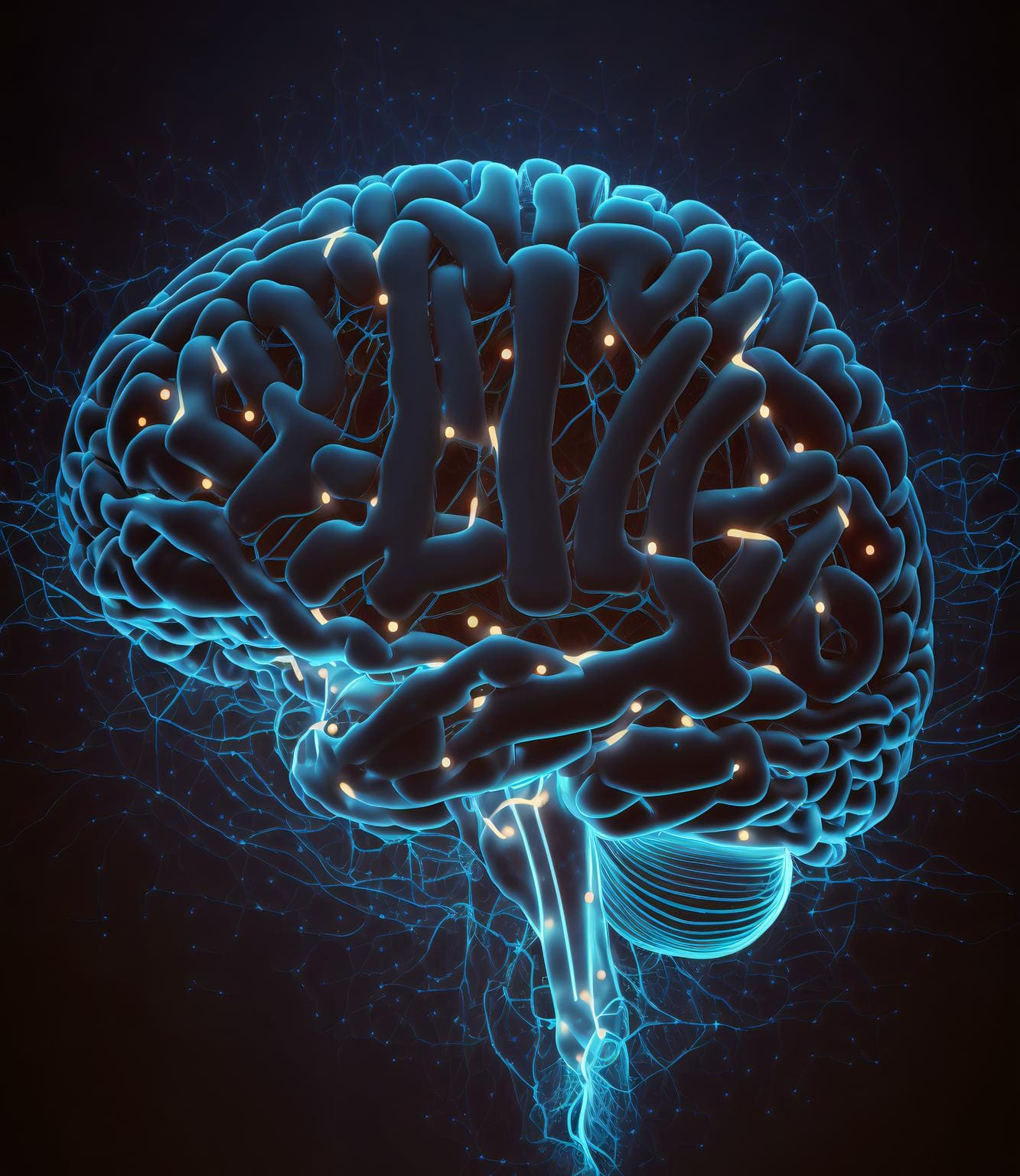
Your brain is highly sensitive to changes in hydration. Even mild dehydration can reduce
blood flow and temporarily affect brain function.
Common symptoms include:
Many people describe this as “brain fog”—a feeling that thinking requires more effort
than usual.
Watch for these common symptoms:
Simple habits can help maintain healthy hydration:
While mild dehydration often improves with fluids, severe dehydration can become a medical
emergency. Seek prompt medical attention if you experience:
Hydration plays a vital role in maintaining healthy circulation, supporting the inner ear’s
balance system, and keeping the brain functioning at its best. Even mild dehydration can
contribute to low blood pressure, dizziness, balance problems, and brain fog. Drinking enough
fluids each day is one of the simplest ways to support your overall health and reduce the risk
of these symptoms.
If dizziness, balance issues, or brain fog persist despite staying well hydrated, it’s
important to consult a healthcare professional to rule out other underlying medical conditions.