AA


As the seasons change and daylight becomes shorter, many people notice a shift in how they feel. For some, this change goes beyond the winter blues and becomes something more persistent. This condition is known as Seasonal Affective Disorder, often called SAD.
Seasonal Affective Disorder is a type of depression that follows a seasonal pattern, most commonly appearing in late fall or winter and improving in the spring and summer. The reduced sunlight during these months can affect the body’s internal clock, sleep patterns, and levels of chemicals in the brain that influence mood.
For seniors, SAD can be especially challenging. Less daylight, colder weather, and fewer opportunities to go outside or socialize may increase feelings of low mood, fatigue, or isolation. Some people experience changes in appetite, sleep more than usual, or lose interest in activities they once enjoyed.
It’s important to understand that SAD is a medical condition—not a weakness or something to simply “snap out of.” Recognizing the signs is the first step toward managing it. Symptoms may include ongoing sadness, low energy, difficulty concentrating, irritability, or withdrawing from others.
The good news is that help is available. Simple strategies can make a meaningful difference. Spending time near windows, keeping curtains open during the day, and maintaining a regular daily routine can help support both mood and sleep. Staying connected—through phone calls, visits, group activities, or shared meals—can ease feelings of isolation.
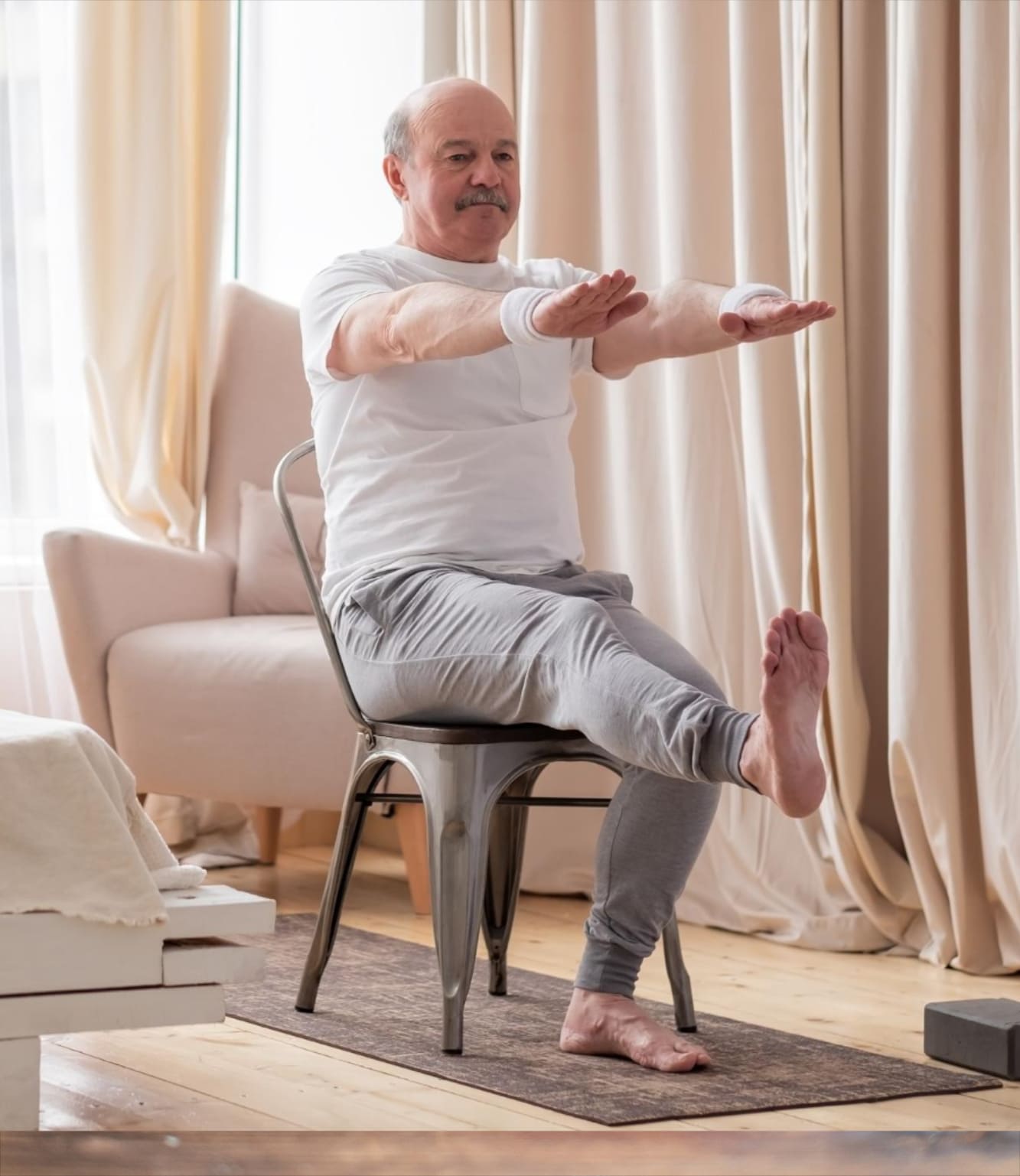
Many people also find comfort in gentle physical activity, such as stretching or short walks when weather allows. Talking to a healthcare provider is important, especially if symptoms feel overwhelming or interfere with daily life. Treatments may include light therapy, counselling, or medication, depending on individual needs.