AA

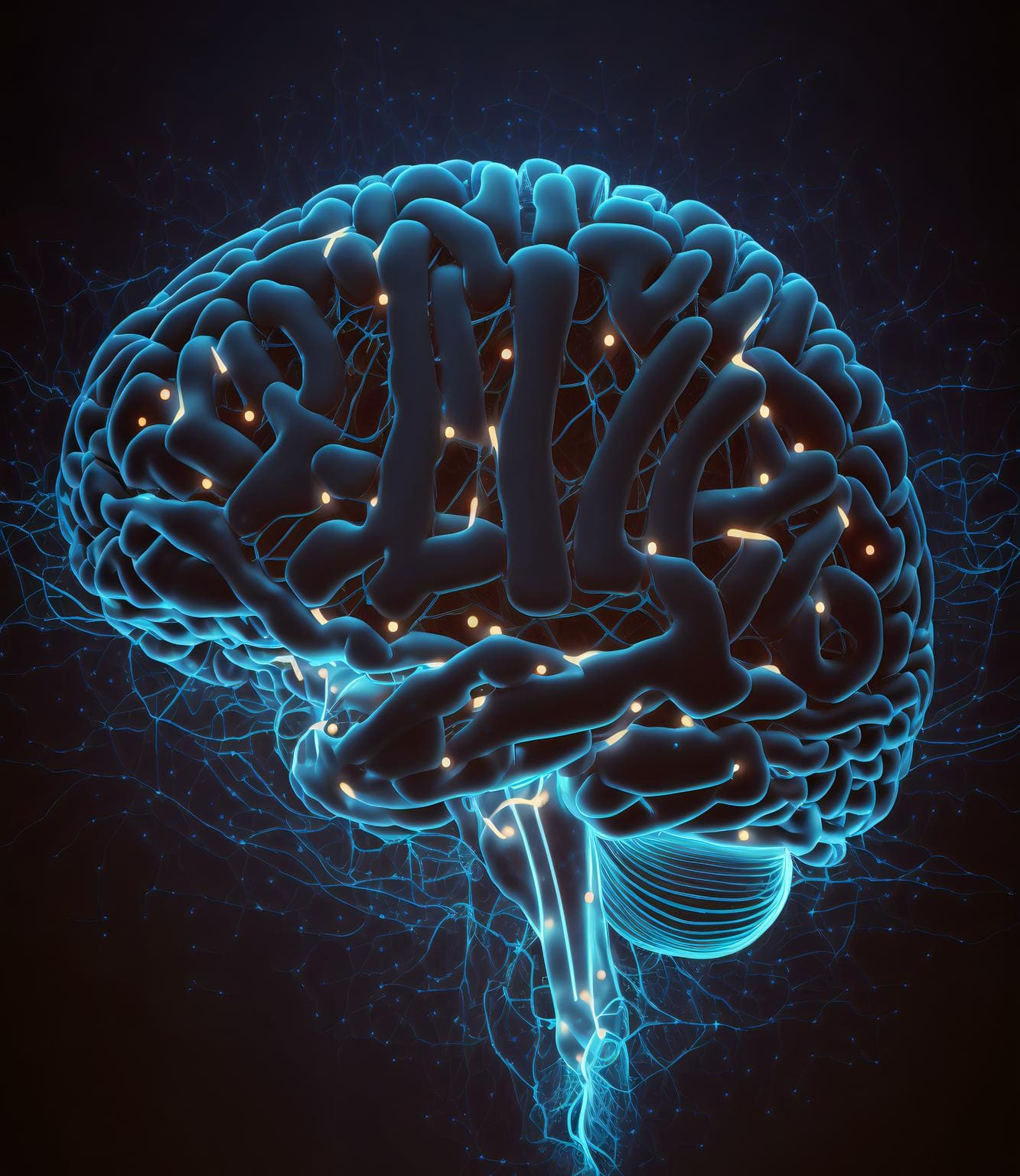
The term “diabetes of the brain” is increasingly used by researchers to describe the connection between insulin resistance and cognitive decline, particularly conditions such as Alzheimer's disease. Some scientists even refer to Alzheimer’s as “Type 3 diabetes” because the brain begins to lose its ability to efficiently use glucose for energy. Since the brain depends heavily on glucose to function, impaired insulin signaling can contribute to memory loss, reduced concentration, inflammation, and the progressive degeneration of brain cells.
Although the phrase “diabetes of the brain” is not an official medical diagnosis, growing evidence suggests that metabolic dysfunction plays a major role in neurodegenerative diseases. Lifestyle choices — especially physical activity — may significantly reduce the risk or slow the progression of these conditions.
Insulin is commonly known for regulating blood sugar in the body, but it also performs critical functions in the brain. Healthy insulin signaling helps neurons communicate, supports learning and memory, and protects brain cells from damage.
When insulin resistance develops, cells no longer respond efficiently to insulin. As a result:
Over time, these changes can contribute to cognitive impairment and dementia.
Researchers have found strong links between:
This connection highlights the importance of metabolic health for protecting the brain.
One of the most effective ways to improve insulin sensitivity and support brain health is exercise — particularly activities that engage large muscle groups.
Large muscles, such as those in the legs, hips, chest, and back, consume significant amounts of glucose during movement. When these muscles contract repeatedly, they act like powerful glucose “sponges,” helping remove sugar from the bloodstream and improving insulin efficiency.
Examples of large muscle group exercises include:
These activities stimulate circulation, increase oxygen delivery to the brain, and trigger the release of beneficial chemicals known as myokines — substances produced by muscles that may help protect brain cells and reduce inflammation.
Regular exercise has profound effects on both body and brain. Studies show that physical activity can:
Exercise helps muscles absorb glucose without requiring as much insulin, reducing insulin resistance throughout the body and brain.
Aerobic activity strengthens the cardiovascular system, delivering more oxygen and nutrients to brain tissue.
Exercise increases production of brain-derived neurotrophic factor (BDNF), often described as “fertilizer for the brain.” BDNF supports the growth and survival of neurons and may enhance memory and learning.
Chronic inflammation is linked to neurodegeneration. Regular movement lowers inflammatory markers that can damage brain cells.
Mitochondria are the energy factories inside cells. Exercise improves mitochondrial function, helping brain cells produce energy more efficiently.
People who remain physically active tend to maintain better memory, executive function, and processing speed as they age.
The muscles of the lower body are among the largest and most metabolically active in the human body. Activities that challenge the legs can create particularly strong metabolic benefits.
Walking, squatting, climbing stairs, and cycling activate:
These muscles help regulate blood sugar, improve circulation, and produce hormones and signaling molecules that influence brain function.
Some researchers believe that reduced leg strength and inactivity may accelerate aging-related decline because the body loses an important metabolic “engine.”
Strength training is especially important as people age because muscle mass naturally declines over time, a condition known as sarcopenia.
Loss of muscle mass can worsen:
Resistance exercises using large muscle groups may help preserve both physical and mental function. Even moderate strength training performed two or three times per week can produce measurable improvements in metabolic health and cognition.
Examples include:
Most health organizations recommend:
Consistency matters more than intensity. Even modest improvements in activity levels can produce meaningful brain benefits over time.
For older adults or individuals with medical conditions, beginning with simple walking programs and light resistance exercises may be highly effective.
Exercise works best when combined with other brain-supportive habits:
A Mediterranean-style diet rich in vegetables, healthy fats, lean proteins, and whole foods may further support insulin sensitivity and brain function.
The concept of “diabetes of the brain” highlights the powerful relationship between metabolic health and cognitive function. As research continues to uncover links between insulin resistance and neurodegenerative disease, exercise stands out as one of the most accessible and effective protective tools available.
Activities that engage large muscle groups — especially the legs and back — help regulate blood sugar, improve insulin sensitivity, increase brain-supportive chemicals, and reduce inflammation. Whether through walking, cycling, strength training, or swimming, regular movement may play a critical role in slowing cognitive decline and preserving brain health throughout life.
The message from modern research is increasingly clear: what strengthens the body may also protect the brain.